
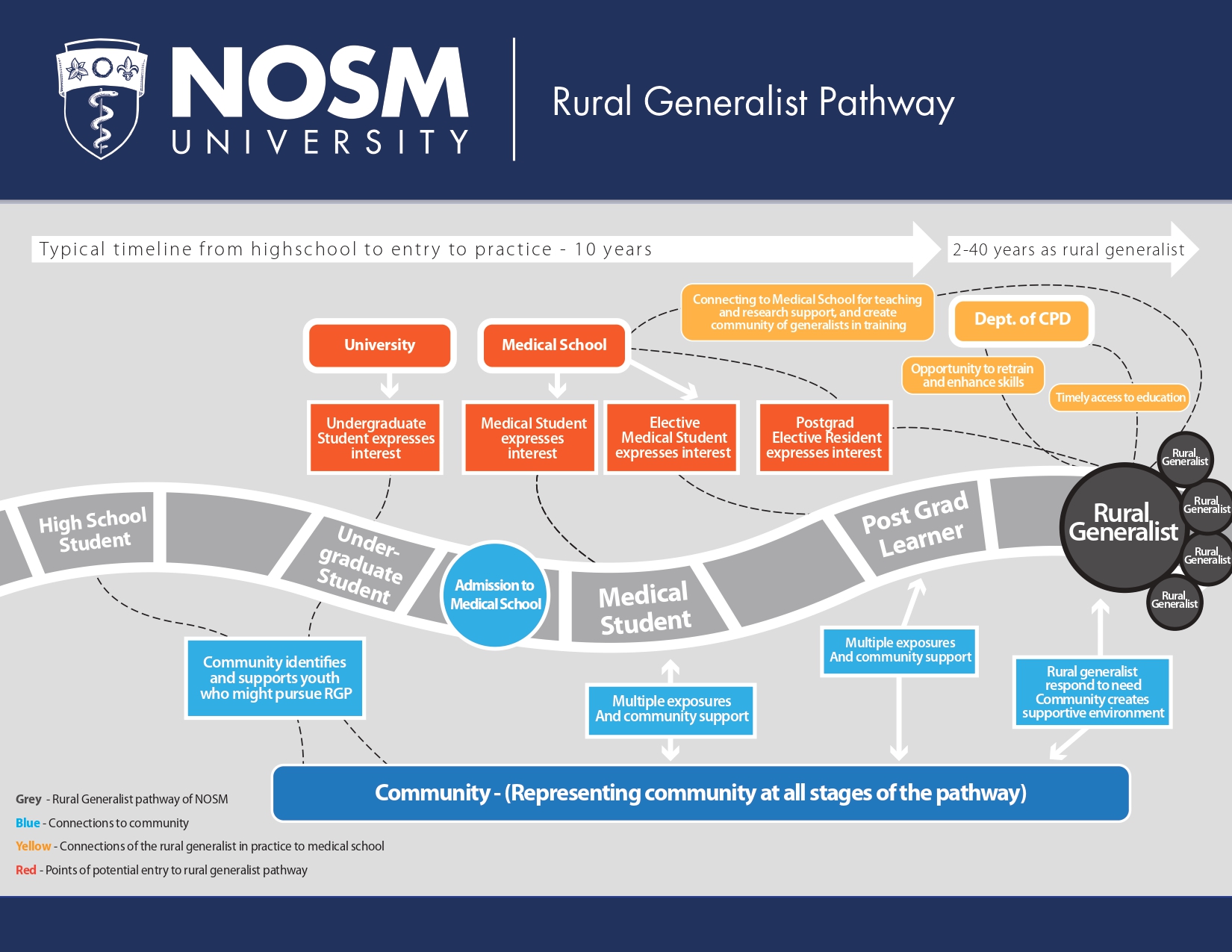
The overarching goal of the Rural Generalist Pathway is to align medical training with community need and create a career for physicians that is appealing in the short and long term. Moreover, to build and support a robust rural generalist workforce for our Northern Ontario communities as part of the overall physician workforce strategy for Northern Ontario.
What the pathway isThe Rural Generalist Pathway is a NOSM University initiative that supports learners from entry into medical school through postgraduate training and into early practice. It is a curriculum enrichment that has been running for five years and continues to evolve. The RGP provides a structured set of learning experiences, mentorship, and community connections designed to help learners gain the skills, confidence, and perspective needed to thrive as a rural physician. Starting in first year, learners will be part of a network of faculty, residents, and peers who share a commitment to rural and Northern health. Although the full-pathway from high school to practice as a rural generalist is aspirational, we are working to ensure that by 2027, a fulsome pathway will be realized through incremental changes in each portfolio; a pathway that will allow learners to imagine for themselves a successful career with a rural generalist start. |
What We Know About the Needs of Northern Ontario
|
Is This Pathway Right for You?
|
|
RGP at Undergraduate (RGP-U)What’s involved?
RGP at PostgraduateThe pathway opportunity continues through postgraduate training right here at NOSM U as part of the end to end pathway vision. Further details on rural postgraduate family medicine training opportunities are provided in the postgraduate section of the site which is linked here. |
What is a Rural Generalist?The formal definition of Rural Generalist Medicine is in the Cairns Consensus Statement below. This definition was endorsed by NOSM in 2014. Rural Generalist Medicine is described as the provision of a broad scope of medical care by a doctor in the rural context that encompasses the following:
– Cairns Consensus Statement (2014) |
This overview explains what NOSM U has built so far and how the pathway supports learners across undergraduate training, postgraduate training, and early practice.
Our Impact
There are currently 5 residents in the family medicine program who have completed the RGP at undergrad as well as 23 students in the RGP-U (5 residents, 5 in the 4th year, 3 in the 3rd year, 14 in the second year and another 10 in the first year.
- All 5 RGP graduates now train in Northern rural FM residencies.
- There are 37 learners on the RGP-U across 4 years
- Rural generalist faculty are engaged with learners as facilitators, mentors and supports
RGP-U intake updates
RGP-U typically welcomes new learners each September. The process and requirements are confirmed annually and may change year to year. Current year intake information will be posted here when available.
For questions, contact Dr. Frances Kilbertus – fkilbertus@nosm.ca or Dr. Sarah Newbery – snewbery@nosm.ca
The overarching goal of the Rural Generalist Pathway is is to align medical training with community need and create a career for physicians that is appealing in the short and long term. Our goal is to help build and support a robust rural generalist workforce for our Northern Ontario communities as part of the overall physician workforce strategy for Northern Ontario.
Learner stories & Reflections
This section features experiences from current learners and recent graduates to help you see what the pathway looks like in practice.
“The tutorials were amazing and felt the most meaningful from a year 1 perspective; it allowed us to explore concepts as a group and hear different perspectives from each person’s life experiences. Without having clinical experiences it did feel like there was less need to have mentorship sessions or at least there didn’t need to be more than two sessions for year 1 students.” (AY23-24)
“This was a pivotal experience in my medical education. I have built strong relationships with peers and communities as a result of this. It allowed me to declare early and with certainty my choice to pursue rural medicine. Rural family medicine is so often talked-down on from non-rural providers and I have been told by many people that I am singing up for mayhem, without this program I may have been swayed to pursue a different speciality, however because of my preceptors, peers, and the rural medicine community that I have gotten to know so well, nothing can turn me away and I take pride in calling myself a future rural generalist. This program is essential to continue to train learners that are committed to serve Northern Ontario’s rural and remote communities. ” (AY23-24)
“Early professional identity development has allowed me to tailor all of my learning experiences towards my future career goals and analyze situations through a “rural lens” and integrate ideas and discussion from tutorials into everyday practice. It has also created strong collegial bonds that provided more resilience during difficult times of training. ” (AY23-24)
“The tutors provided helpful insight to being a rural physician and conversations probed great reflection and conversation. I feel more confident in my decision to pursue rural generalism. ” (AY23-24)
“The community of students and mentors continues to inspire me to pursue this path. Having the RGCS as an outlet provides the space to chat about opportunities, challenges, and questions that we all have about our futures. This year gave me a better sense of direction as to how to seek training and residency programs that suit my needs and will prepare me for the community I hope to work in.” (AY23-24)
“Connection with like minded peers who also want to do rural medicine, connection with faculty and practicing rural physicians. Overall the RGCS as a whole felt like mentor in a way since you could just reach out to anyone involved with it and they were always quick to reply and open to chat. Tough to pin point specifically, but just being able to talk with other people interested / doing rural med was nice. ” (AY23-24)
“I made connections with others in my class, as well as those in upper years. I felt I made a network with peers, mentors and those working in the field that I can go to with questions and how to approach problems in the future ” (AY23-24)
“Through mentorship and team meetings I have gained an incredible network of colleagues and friends that have helped me to learn more about rural generalism this past year and have been strong social supports. The tutorial sessions and independent advocacy hours have been influential in furthering my personal and professional development as I progress in my training.” (AY21-22)
“It has been a wonderful experience getting to bond with a group of like-minded individuals who share the same passions and goals of pursuing rural generalism in Northern Ontario. I am so grateful for the opportunity to be a part of this fantastic team whom I hope to work alongside in the future!” (AY21-22)
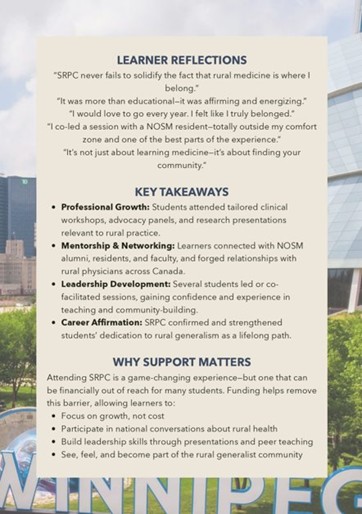
Reflections from the SRPC Rural and Remote Conference
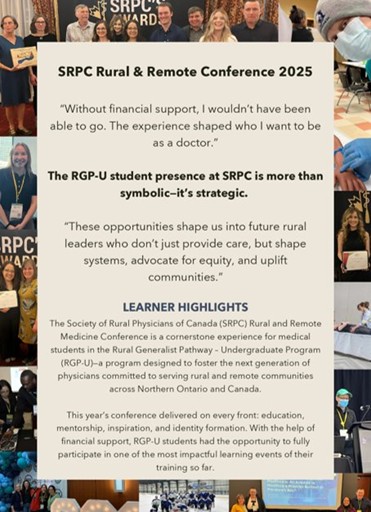
Support a RGP learner to attend the SRPC conference
- Go to the NOSM U donation page: https://www.nosm.ca/how-to-donate/make-a-donation/
- Select “Physician Workforce Strategy Fund” under “Designation.”
- In the “Name of Fund” box, please note: “SRPC Conference Learner Sponsorship”
- Include the name of the individual, organization, physician, or community that should be acknowledged.
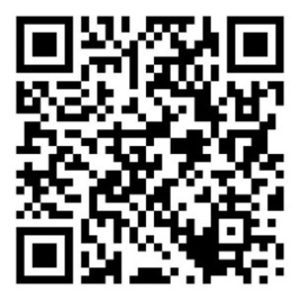
You may also use the QR code provided, which will take you directly to the donation page.
Contact
Connect with the RGP
Questions about RGP-U or the application process:
Dr. Frances Kilbertus – fkilbertus@nosm.ca
Dr. Sarah Newbery – snewbery@nosm.ca
Summit North Documents and Information
 Building a Flourishing Physician Workforce – Summit North 2018
Download the Executive Summary
Other Documents
Summit North Resources
1. HQO data/performance metrics for Northern Ontario
This is an online report that provides background information on the geography and key health statistics across Northern Ontario. Population perspectives of Francophone, First Nations and Métis peoples are also highlighted.
2. Rural Road Map for Action
With the goal of supporting a robust family physician rural workforce, the College of Family Physicians of Canada and the Society of Rural Physicians of Canada created this document through broad consultation, literature reviews and background research. It provides 4 broad directions, and 20 specific actions.
The Road Map for Action uses a social accountability framework and outlines roles for the WHO five key Social Accountability partners: health care professionals, policy makers, health and education administrators, universities and communities. Representatives from each partnership group attended Summit North.
3. Summit to Improve Health Care Access and Equity for rural Communities in Canada Final report July 2017
This document outlines the work done on February 22, 2017 to launch the Rural Road Map for Action. Here particular actions (from the 20 in the original report) are prioritized for geographic regions – see pages 9 and 10.
4. Documents produced since Summit North:
- The Making it Work Framework launched the year after Summit North and the tools on the site have been evolving ever since. This work has its own section on this site.
- The Northern Health Equity Strategy has been published by Health Quality Ontario and references to health human resources are found on page 21.
- Nishnawbe Aski Nation’s Transformation Summit document links are below:
On the day of the summit this presentation was shared by Dr. Denis Lennox and Dr. Roger Strasser.
Building a Flourishing Physician Workforce – Presentation
Making It Work Framework
The Making it Work Framework is a framework for rural health workforce recruitment and retention that was developed through a 7-year international partnership of circumpolar nations building investment recommendation and practical tools for administrators, supported by evidence and grounded in northern, rural and remote experience. The “The Recommender” on the Making it Work website for tools and how they are being applied in various places.
Past Communiqués
Contact Us
Contact Information
Office of Physician Workforce Strategy
Email: physicianworkforce@nosm.ca
NOSM University Programs
Doctors Wanted
NOSM U MD Program

NOSM U Residency Programs
NOSM U Pathways to Medicine
Additional Resources
The NOSM Challenge 2025
OMA Prescription for northern Ontario
Summit North and Northern Physicians Workforce Advisory Council
Making it Work Framework
Society of Rural Physicians Canada
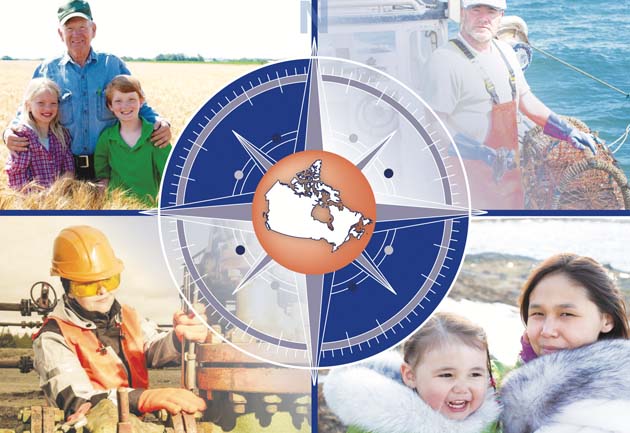
SRPC Rural Road Map
MUN Research Exchange: Rural Health
Physician Workforce Strategy