
Over the past few weeks, I have had the privilege of taking part in some of the most meaningful moments in the academic year at NOSM University.
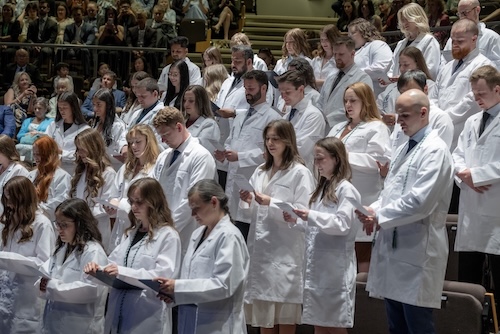
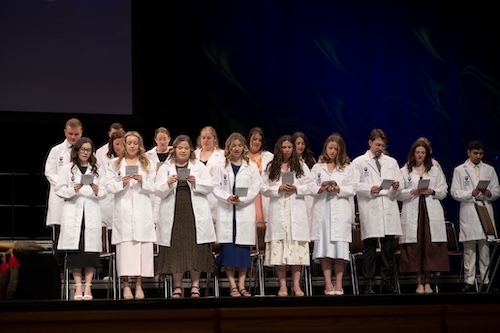
From our ceremonies to convocation, in both Thunder Bay and Sudbury, these events offered an opportunity to celebrate achievement and reflect on the growing impact NOSM University continues to have across Northern Ontario.
To the graduating class of 2026, congratulations.
Your journey to this moment has required dedication, resilience, sacrifice, and an extraordinary commitment to caring for others. It was inspiring to see graduates cross the stage surrounded by proud families, friends, faculty, preceptors, mentors, and communities who helped support them along the way.
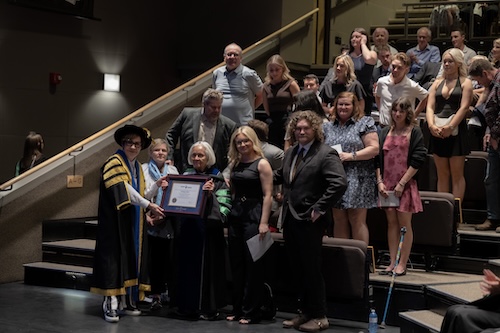
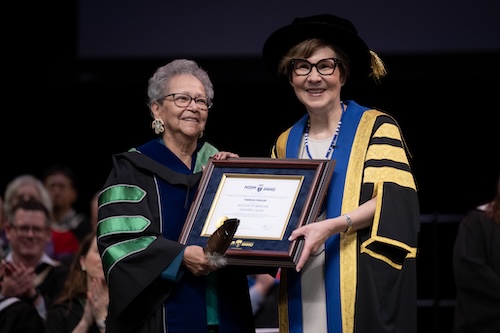
This year’s convocation ceremonies were especially significant as NOSM University awarded honorary degrees for the first time in the university’s history.
These inaugural honorary doctorates recognized two remarkable individuals whose leadership, advocacy, and lifelong commitment to Northern communities have helped transform health care across the North.
At the Thunder Bay convocation, Elder Theresa Fiddler received an Honorary Doctor of Medicine in recognition of her decades of advocacy for Indigenous health equity and her role in advancing meaningful change for First Nations communities in Northern Ontario. Her leadership helped challenge inequities in Northern health care and contributed to systemic reforms that continue to shape care today. She also played an important role in helping ground NOSM University’s curriculum in Indigenous teachings and community experience through early partnerships with the university.
In Sudbury, Maureen Lacroix was recognized at convocation for her extraordinary contributions to advancing cancer care in Northern Ontario, as well as her longstanding leadership in hospital governance, post-secondary education, and community service. Her advocacy and leadership have helped strengthen access to specialized care closer to home for Northerners and have left a lasting impact on health care and community development across the region.
These honours recognize more than professional achievement alone. They celebrate leadership rooted in service, partnership, and a deep commitment to improving life across Northern Ontario. It was a proud and meaningful milestone for NOSM University as we recognized the many people whose vision and dedication helped shape the university we are today.
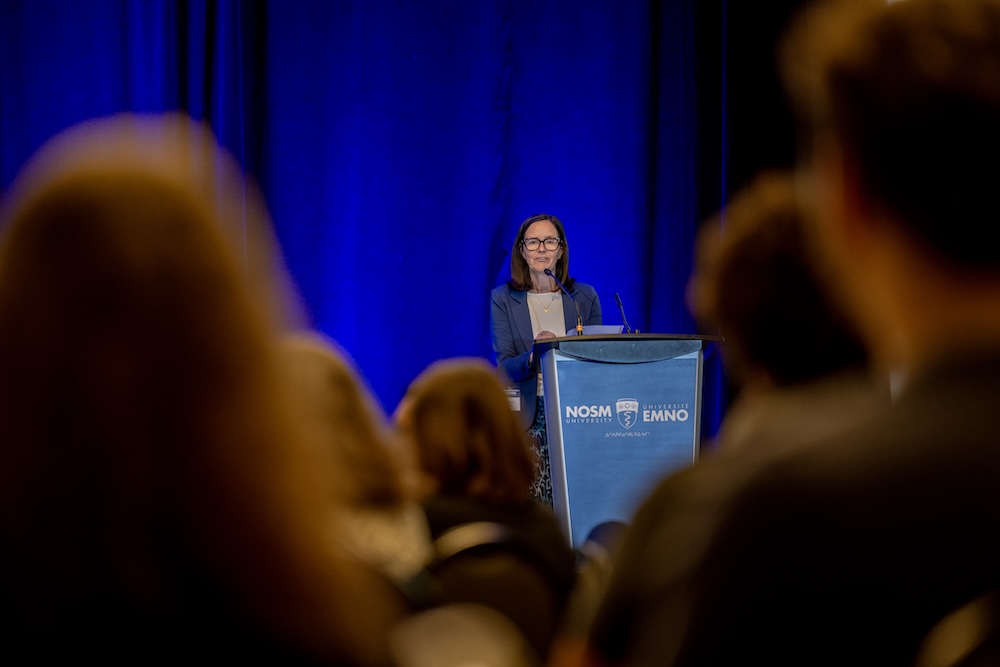
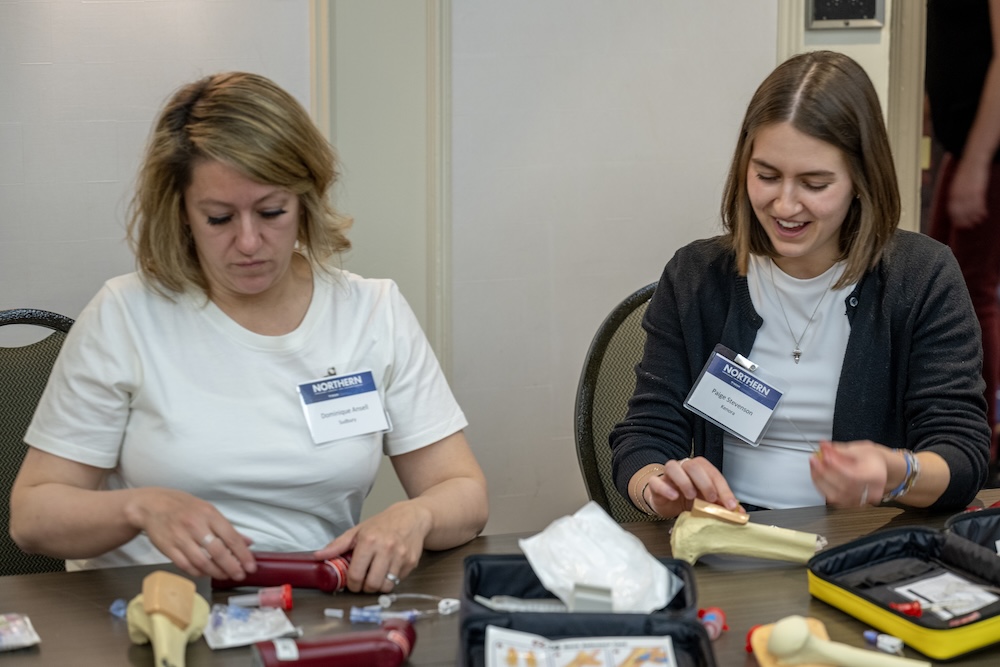
This spring also marked the 15th anniversary of Northern Constellations, NOSM University’s premier conference for faculty and preceptor development. The conference brought together clinicians, educators, researchers, learners, and leaders from across Northern Ontario, all connected by a shared commitment to strengthening health professions education and improving care across the North.
One of the most inspiring parts of Northern Constellations is the opportunity to recognize the people who quietly and consistently make a difference every day through teaching, mentorship, research, leadership, and service.
This year, NOSM University recognized 11 faculty members, three learners, two alumni, and one honorary alumnus for their outstanding contributions to health care, medical education, and research across Northern Ontario. We also celebrated 22 faculty promotions recognizing leadership, innovation, scholarly achievement, and a deep commitment to learners and communities.
These awards and promotions reflect the incredible commitment of the people behind NOSM University’s mission. Whether supporting learners in rural communities, advancing Indigenous and Francophone health priorities, mentoring the next generation, or helping improve patient care close to home, these individuals represent the very best of socially accountable medical education.
As I shared during the conference, Northern Constellations reflects something important about NOSM University itself. A constellation is not a single point of light. It takes shape when many points are connected.
That idea felt especially fitting this year.
Partway through the event, we experienced an unexpected power outage. For a time, Northern Constellations quite literally became a candlelight conference. But what stood out most was not the disruption itself. It was the calm, professionalism, humour, and adaptability shown by everyone in the room.
Conversations continued, ideas continued flowing, and people simply carried on together.
In many ways, it became a perfect reflection of what makes the people behind NOSM University so remarkable. Even when the unexpected happens, people step forward, support one another, and keep moving ahead together.
That has always been the NOSM University model.
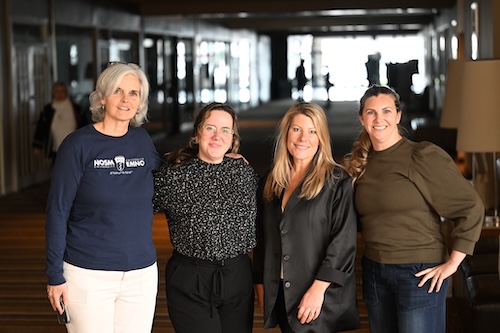
Our strength comes from people working together across communities, disciplines, organizations, and regions to improve health, health education and research across Northern Ontario.
Our graduates are entering a profession defined not only by knowledge and skill, but by compassion, trust, and humanity. Many of these new physicians and health professionals will go on to serve Northern communities where their impact will be felt every day, in the care they provide, the relationships they build, and the lives they help shape.
This spring also provided important opportunities to connect with municipal leaders, provincial representatives, health-care partners, and community advocates from across Northern Ontario through both the Federation of Northern Ontario Municipalities and the Northwestern Ontario Municipal Association conferences.
These conversations matter.
At both conferences, we had the opportunity to speak directly with municipal and provincial leaders from communities across the North about physician recruitment and retention, learner expansion, regional health-care needs, and the critical importance of distributed medical education. We also spoke about the role communities themselves play in helping build the future physician workforce through placements, mentorship, housing supports, partnerships, and welcoming learners into their communities.
What continues to stand out to me at these gatherings is the shared commitment people across Northern Ontario have for strengthening health care close to home. There is strong recognition that NOSM University is not simply an educational institution. It is an important partner in the future of the North.
Those relationships are pivotal to our success.
NOSM University was built through collaboration with communities, municipalities, Indigenous and Francophone partners, hospitals, governments, physicians, educators, donors, and volunteers across the North. That partnership model continues to define who we are today and will continue to shape our future.
As we continue growing, these conversations become even more important.
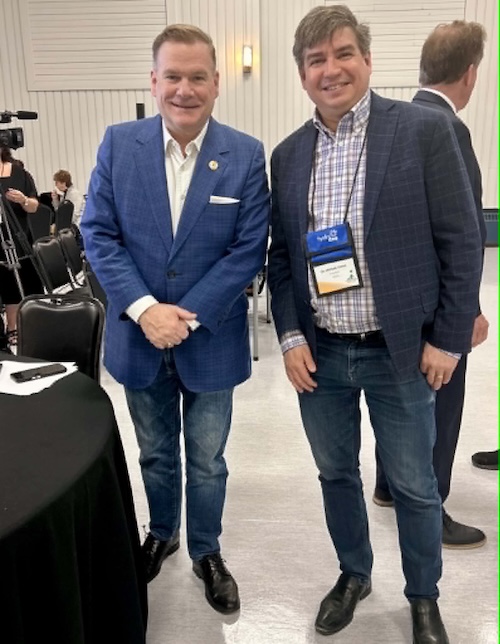
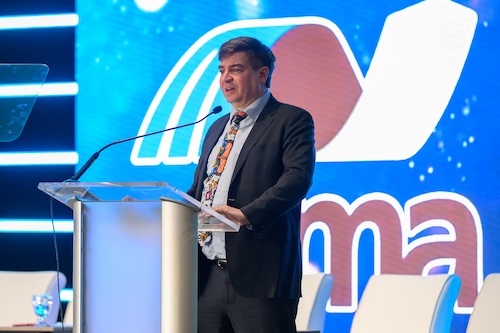
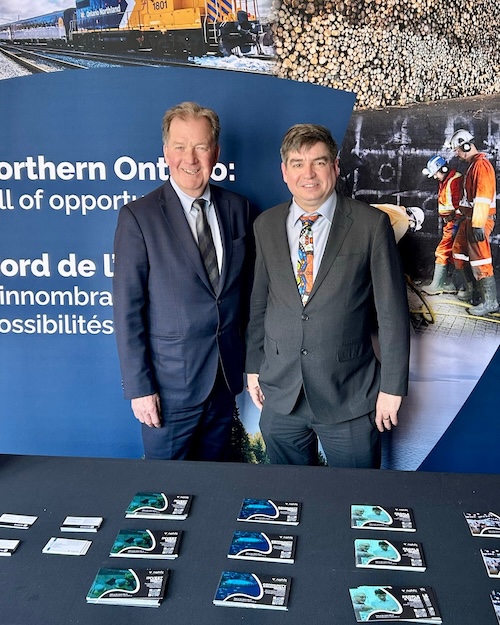
At both conferences, we shared updates on NOSM University’s continued expansion, including the growth of undergraduate medical education from 64 to 108 medical school seats by 2028 and the expansion of residency training from 60 to 123 entry-level positions. We also discussed the continued development of regional training networks, Primary Care Teaching Clinics, and expanded learning opportunities across Northern Ontario
This work aligns closely with our new Strategic Plan, Rooted in the North 2026-2030, which continues to guide our vision for the future.
We are now continuing the important work of moving from planning into implementation. Executive sponsors and initiative leaders across the university have begun operational planning with a strong focus on measurable outcomes, accountability, and phased implementation over the next five years.
This next phase is an important step in turning the Strategic Plan into measurable action.
At its heart, Rooted in the North is about strengthening Northern communities through socially accountable education and research while advancing health equity across Northern Ontario. It reflects a shared vision for the future, one built on partnership, community engagement, and a commitment to improving access to care close to home.
I also recently shared my latest President’s Report with the Board of Governors, highlighting progress across several institutional priorities, including expansion planning, research growth, fundraising, strategic plan implementation, and ongoing advocacy efforts.
As we move into summer, I want to thank all of the faculty, staff, preceptors, volunteers, donors, alumni, partners and communities who continue to make this work possible. NOSM University has always been built through relationships, and our future will continue to depend on the strength of those partnerships across Northern Ontario.
And congratulations once again to our graduates. We are so proud of you, grateful you chose this path, and excited to see the impact you will make across Northern Ontario and beyond.
Warm regards,
Dr. Michael Green
President, Vice-Chancellor, Dean, and CEO
NOSM University
If you have any feedback or comments, please reach out at president@nosm.ca and follow me on X (formerly Twitter) @DrMichaelGreen1.