

The NOSM University Family Medicine Enhanced Skills Program in Addiction Medicine is a one-year, competency-based training program designed to prepare family physicians to provide comprehensive, evidence-informed addiction care in Northern, rural, remote, and underserved communities. Developed in response to the growing need for addiction services across Northern Ontario and Canada, the program equips residents with the clinical expertise, advocacy skills, and community-based perspective needed to care for patients experiencing substance use disorders and concurrent mental health challenges. As part of the NOSM University Family Medicine Enhanced Skills Programs, the Addiction Medicine Program is fully accredited by the College of Family Physicians of Canada (CFPC). Since welcoming its inaugural resident in July 2023, the program has continued to evolve through strong clinical partnerships, interdisciplinary collaboration, and a commitment to socially accountable medical education.
The program emphasizes the biopsychosocial-spiritual model of care delivery, and provides patient-centred, trauma-informed, culturally safe care. Residents gain experience managing a broad spectrum of substance use disorders, including alcohol, opioids, stimulants, cannabis, benzodiazepines, and tobacco dependence, while also developing skills in withdrawal management, opioid agonist therapy, chronic pain care, mental health integration, and complex psychosocial care.
Training occurs in a variety of clinical and community settings throughout Northern Ontario, allowing residents to experience addiction medicine across diverse populations and healthcare systems. Residents work alongside multidisciplinary teams that may include physicians, nurses, social workers, counsellors, peer support workers, pharmacists, Indigenous health providers, and community agencies.
Program Leadership & Support
Dr. Greg Carfagnini, Program Director
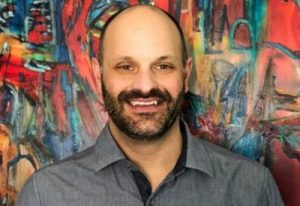
Dr. Greg Carfagnini is a dedicated clinician and educator with extensive experience in substance use health, curriculum development, and postgraduate medical education. His clinical work focuses on caring for individuals with complex needs, and he is committed to evidence-based, compassionate, and equity-informed approaches to addiction care. He brings a strong passion for resident mentorship, interdisciplinary collaboration, and community-based training.
Ms. Dawn Grover, Program Coordinator
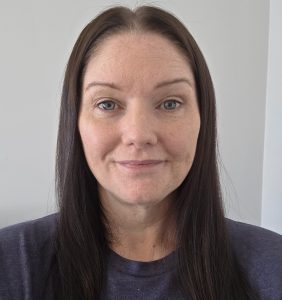
Dawn Grover has been part of the NOSM University community for over 15 years and has supported the Family Medicine program for the past 6 years. Passionate about resident education and learner support, Dawn enjoys helping residents navigate their training journey and contributing to a positive learning environment across Northern Ontario.
Program Objectives
The NOSM University Addiction Medicine Program aims to train compassionate, skilled, and adaptable physicians who are able to integrate addiction medicine into comprehensive family practice while providing consultative expertise to primary care colleagues and interdisciplinary teams. The program strives to prepare graduates to serve as leaders and resources within their communities, responding effectively to the evolving healthcare needs of patients living with substance use disorders.
Throughout the program, residents will:
- Develop expertise in the assessment, diagnosis, and longitudinal management of substance use disorders
- Provide evidence-informed care using pharmacologic and non-pharmacologic treatment approaches
- Deliver trauma-informed, culturally safe, and patient-centred care to individuals with complex medical, psychiatric, and social needs
- Gain experience working within multidisciplinary and community-based care models
- Strengthen skills in motivational interviewing, relapse prevention, harm reduction, and recovery-oriented care
- Advocate for patients and communities experiencing barriers to care, stigma, housing insecurity, poverty, and limited access to healthcare resources
- Collaborate with healthcare organizations, community agencies, and public health partners to improve systems of care for people living with addictions
- Build confidence managing addiction medicine in rural, remote, and resource-limited settings
- Develop teaching, leadership, and scholarly skills related to addiction medicine and community health
Residents are expected to become active members of interdisciplinary teams while building meaningful therapeutic relationships with patients and families. A strong emphasis is placed on social accountability, advocacy, and understanding the broader social determinants of health that impact substance use and recovery.
Curriculum and Academics
The Addiction Medicine Enhanced Skills Program provides residents with a broad range of clinical and academic learning experiences designed to support competency development across the continuum of addiction care.
Clinical experiences may include exposure to:
- Outpatient addiction medicine clinics
- Opioid agonist therapy and substance use treatment programs
- Mental health and concurrent disorders services
- Withdrawal management services
- Harm reduction and community outreach programs
- Inpatient consultation services
- Primary care settings with integrated addiction medicine
- Emergency medicine and acute care experiences
- Indigenous and community-based health services
- Chronic pain and complex care management
Residents work closely with interdisciplinary teams and gain experience caring for patients with varying levels of acuity and complexity. Training experiences are designed to reflect the realities of addiction medicine practice in Northern and rural communities, where physicians often play a central role in coordinating comprehensive patient care.
The academic curriculum includes:
- National Journal clubs and evidence-informed practice discussions
- Faculty mentorship and clinical supervision
- Opportunities for quality improvement, advocacy, and scholarly activity
- Exposure to public health, policy, and systems-based approaches to addiction care
- Learning related to stigma reduction, equity, and culturally safe practice
Residents are encouraged to pursue individualized learning opportunities aligned with their professional interests and future practice goals. The program supports the development of lifelong learning habits and reflective practice as core components of professional growth.
How to Apply
The Addiction Medicine Program seeks applicants who are passionate about advancing care for individuals and communities affected by substance use disorders and who aspire to integrate addiction medicine into comprehensive family practice while serving as consultants and resources to their peers in primary care. The program is especially focused on preparing physicians to support Northern, rural, remote, and underserved communities.
Successful applicants will demonstrate:
- A strong interest in Addiction Medicine and community-based care
- Commitment to patient advocacy, social accountability, and equity
- Excellent communication and collaboration skills
- Professionalism, self-reflection, and adaptability
- Interest in interdisciplinary and team-based practice
- Motivation to serve communities with limited access to addiction services
The program values applicants who have demonstrated experience or interest in areas such as mental health, harm reduction, outreach, rural medicine, public health, or care of vulnerable populations.
Eligibility
To be eligible for the PGY3 Enhanced Skills Program in Addiction Medicine, applicants must be enrolled in a Canadian Family Medicine Residency Program as a PGY2 resident at the time of application.
Application Process
Applications to the Addiction Medicine Enhanced Skills Program must be submitted through the Canadian Resident Matching Service (CaRMS) website.
Applicants are encouraged to review all program requirements and timelines directly through CaRMS. Successful applicants will be notified through the CaRMS process and by email.
Program Contacts
Dr. Greg Carfagnini
Program Director, Addiction Medicine
V. Dawn Grover
Program Coordinator
PGY3 Enhanced Skills Programs
NOSM University – Sudbury
Tel: 705-662-7155
Email: vgrover@nosm.ca
QUICK LINKS

Policies and Forms

Resident Wellness

PGME Office
Residency Programs